Current processing times: 3-5 days
How to Choose & Use Bunting
Learn how to choose bunting for any occasion. Decorating ideas, styling tips & care instructions for fabric bunting, nursery bunting & more.
Louise
6/7/20264 min read
INTRO
Bunting is one of those decorative elements that works everywhere. Nurseries, gardens, patios, living rooms, weddings, parties, even kitchens. Yet many people aren't sure how to choose the right bunting, where to hang it, or how to care for it properly. If you've ever bought bunting only to let it gather dust because you weren't sure what to do with it, this guide is for you.
We'll walk you through choosing bunting for different spaces and occasions, styling ideas that actually work, and how to care for your bunting so it lasts for years. Whether you're decorating a nursery, hosting a garden party, or adding personality to your home, you'll find everything you need here.
WHAT IS BUNTING (AND WHY YOU NEED IT)
Bunting is decorative flags or fabric strips sewn onto a string or rope. Unlike temporary paper bunting (think party store versions), quality fabric bunting is durable, reusable, and built to last for years.
Why bunting works:
Instantly adds colour and personality to any space
Works indoors and outdoors
Reusable and sustainable (no waste)
Affordable decorating option
Creates a festive or cosy atmosphere
Doubles as functional décor and wall art
The right bunting can transform a plain nursery into a welcoming space, elevate a garden party, or add seasonal cheer to your living room. The key is choosing the right style for your space.
TYPES OF BUNTING & HOW TO CHOOSE
1. Nursery Bunting
Nursery bunting is soft, safe, and designed specifically for children's spaces. Common themes include alphabet letters, animals, shapes, and pastels.
When to use:
Newborn nurseries (soft, gentle designs)
Toddler rooms (bright, playful patterns)
Gender-neutral spaces (pastels, woodland themes)
Best colours & patterns:
Soft pastels (sage green, duck egg blue, soft pink, cream)
Woodland animals and forest scenes
Alphabet and number designs
Cloud and star motifs
Styling tip: Hang bunting along one wall above the crib, or drape it diagonally across a corner for visual interest.
Care: Hand-wash in cold water, lay flat to dry. Machine wash on gentle cycle if labelled as safe.
2. Floral & Garden Bunting
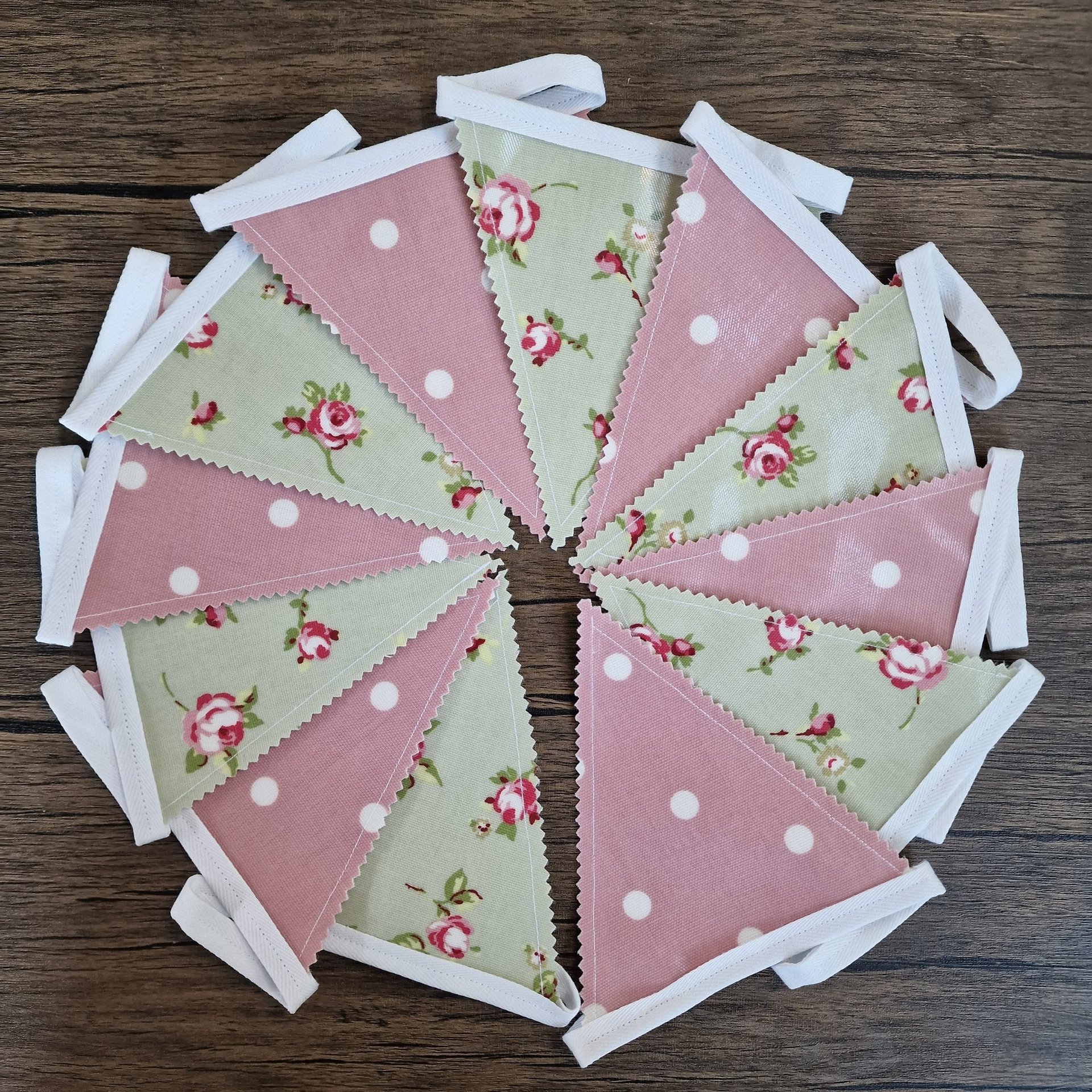
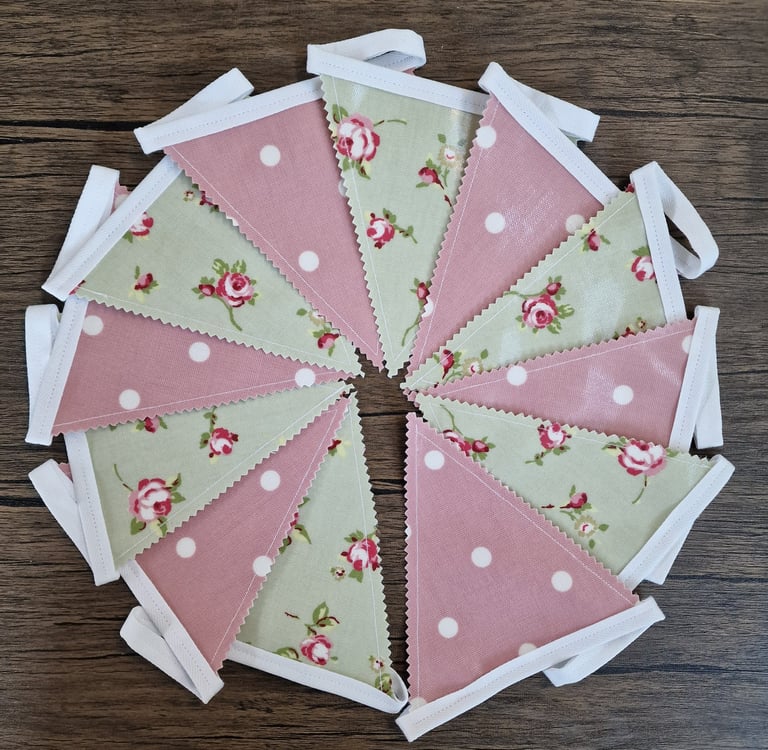
Floral bunting brings garden-inspired beauty indoors. Think roses, peonies, wildflowers, and botanical prints.
When to use:
Spring and summer entertaining
Outdoor patios and gardens
Living rooms and entryways
Weddings and garden parties
Feminine, romantic spaces
Best colours & patterns:
Vintage florals (roses, peonies, botanicals)
Shabby chic prints
Watercolour florals
Bold garden-inspired patterns
Styling tip: Drape floral bunting from fence posts or pergolas in your garden, or hang horizontally above a sofa for a romantic focal point.
3. Festive & Seasonal Bunting
Holiday and seasonal bunting brings festive cheer. Christmas robins, Easter eggs, autumn leaves, and Valentine's designs are all popular.
When to use:
Christmas decorating
Spring celebrations
Halloween and autumn parties
Valentine's Day
Seasonal room updates
Best colours & patterns:
Christmas: red, green, gold, ivory with robins or traditional motifs
Autumn: burnt orange, forest green, mustard with leaves
Spring: pastels with flowers or eggs
Halloween: black, orange with spooky-but-cute designs
Styling tip: Swap bunting seasonally to refresh your space without major redecoration. Hang along mantels, doorways, or stair rails.
WHERE TO HANG BUNTING
Indoor spaces:
Above a crib or bed
Along a wall above furniture (sofa, dresser, desk)
Across a doorway or window
Draped diagonally across a corner
Along a stair rail or banister
Outdoor spaces:
Fence posts in gardens or patios
Pergolas and garden structures
Around a picnic or garden party table
Along a balcony or deck rail
Between trees for garden gatherings
Party spaces:
Above the gift table or food display
Framing a photo backdrop
Decorating the entrance
Along the perimeter of a room or garden
HOW TO HANG BUNTING PROPERLY
What you'll need:
Bunting (obviously!)
Hooks, nails, or adhesive strips
Measuring tape
Level (optional, but helpful)
Steps:
Measure your space. Know the width of the wall or area you're decorating so bunting hangs evenly.
Choose your height. Bunting typically hangs 6–12 inches from the wall or ceiling depending on your preference.
Install hooks or nails. Place them at equal distances (usually 3–5 feet apart depending on bunting length).
Drape the bunting. Loop the string over hooks, creating slight sags between points for visual interest (never pull it taut).
Adjust for balance. Step back and ensure it looks even and level.
Hanging bunting outdoors:
Use weather-resistant hooks rated for outdoor use
Ensure the bunting is made from outdoor-friendly fabric (fade-resistant)
Check hooks regularly, especially in windy areas
Take down bunting before heavy rain or storms
Alternative hanging methods:
Adhesive hooks (renter-friendly, damage-free)
Command strips on walls
Clothespin clips along a rope or wire
Taping to windows or glass
STYLING TIPS & DECORATION IDEAS
Mixed bunting styles:
Hang different bunting styles together for a layered, eclectic look. Pair floral with geometric, or mix seasonal and everyday bunting.
Layer with other décor:
Bunting works beautifully with other elements. Combine with:
Cushions in complementary colours
Wall art or frames
String lights (for evening ambiance)
Plants and greenery
Mirrors to reflect light
Colour coordination:
Match bunting to your wall colour for subtle elegance
Choose contrasting colours for bold statements
Use bunting as your room's colour accent
Create focal points:
Hang bunting above a fireplace, headboard, or bookshelf to draw the eye and create a defined focal point.
CARING FOR YOUR BUNTING
Quality bunting should last for years with proper care.
Cleaning:
Hand-wash in cool water with mild detergent
Gently scrub any stains with a soft brush
Rinse thoroughly
Lay flat to dry (never tumble dry or hang-dry on the line if colours are dark)
Storage:
Store in a cool, dry place away from direct sunlight
Roll loosely or fold gently to avoid creases
Keep in a cotton bag or breathable container (avoid plastic, which traps moisture)
Check occasionally for dust or pests
Seasonal rotation:
Swap bunting seasonally to protect it from fading and wear. Storage between uses extends its lifespan significantly.
Refresh between seasons:
If your bunting looks tired, a gentle wash and careful ironing (on low heat if fabric allows) can restore it.
HANDMADE VS. MASS-PRODUCED BUNTING
Not all bunting is created equal. Here's the difference:
Mass-produced bunting:
Often made from synthetic fabrics that fade quickly
Thinner construction, less durable
Limited colour and design options
May release dyes when washed
Shorter lifespan (1–2 seasons)
Handmade bunting:
Made from quality fabrics (cotton, linen blends)
Sturdy stitching, built to last years
Unique, thoughtful designs
Fade-resistant colours
Supports small makers
Often sustainable and ethically made
Invest in quality: Handmade bunting costs slightly more upfront, but lasts 5–10+ years compared to 1–2 seasons for mass-produced alternatives. The long-term value is worth it.
Bunting is one of the easiest ways to refresh your space and add personality without a major redecoration project. Whether you're decorating a nursery, hosting a garden party, or simply want to add seasonal cheer, the right bunting transforms your home.
Ready to find your perfect bunting? Browse our handmade bunting collection, featuring nursery designs, floral patterns, seasonal themes, and geometric styles. Each piece is hand-sewn in Shropshire using quality fabrics that last for years.
Shop bunting → See our full collection
Can't find exactly what you're looking for? We also offer custom bunting designs. Get in touch to commission a bespoke piece for your space.